Gold in Victoria
| Introduction | Diggers | Bendigo | Ballerstedt | Eureka Rebellion | Frederick Vern | German Poem | Architects |
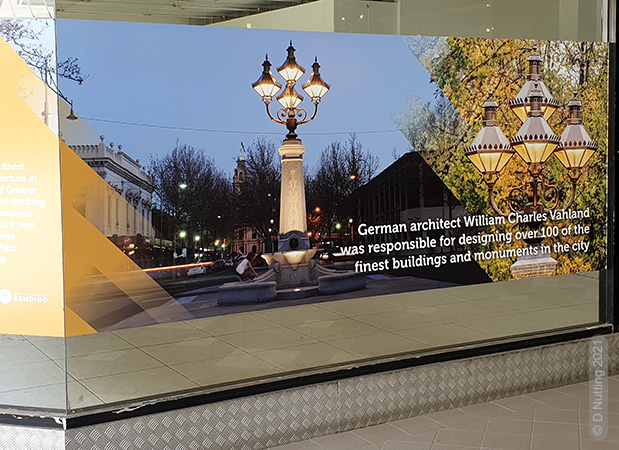
An information display for visitors to Bendigo, in the Hargreaves Mall.
Bendigo architects
Vahland & Getzschmann
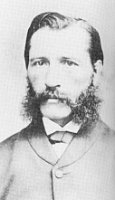
Wilhelm Vahland
Many German immigrant architects worked in Bendigo in the 19th century, e.g. Mauermann, Nicolai, Bosselmann and Lehmann, but the two biggest names are Carl Wilhelm Vahland and Robert Getzschmann, who had a considerable effect on the appearance of Bendigo. Vahland was trained as an architect at the Baugewerkschule (School of Building) at Holzminden on the River Weser, not far from his hometown of Nienburg, also on the Weser. Vahland came from a family of builders. At 27, not long after completing his studies, he emigrated to Australia, arriving in Melbourne in September 1854 on the San Francisco. He went to the Bendigo goldfields but had no luck finding gold. For a while he built gold-washing cradles for the alluvial diggers and then started his Australian architectural career which lasted nearly 50 years. Robert Getzschmann, another German, had arrived in Victoria in 1849 and moved to Bendigo in 1857. In 1858 Vahland and Getzschmann established a partnership and opened an architectural office in Pall Mall, Bendigo. This partnership of Vahland and Getzschmann designed many churches, banks, schools, hotels, theatres and private homes in Bendigo, and designed buildings in a wide surrounding area, reaching up into southern NSW.[1]
In 1875 Getzschmann died and Vahland continued the business, employing several draftsmen in his office.
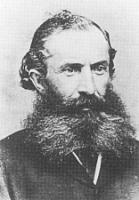
Robert Getzschmann
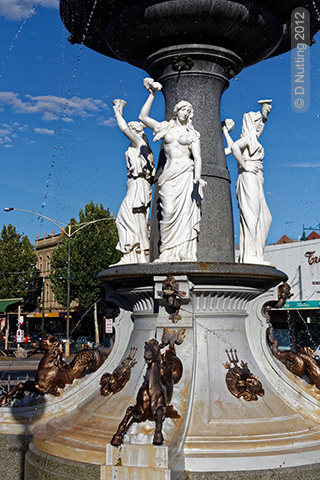
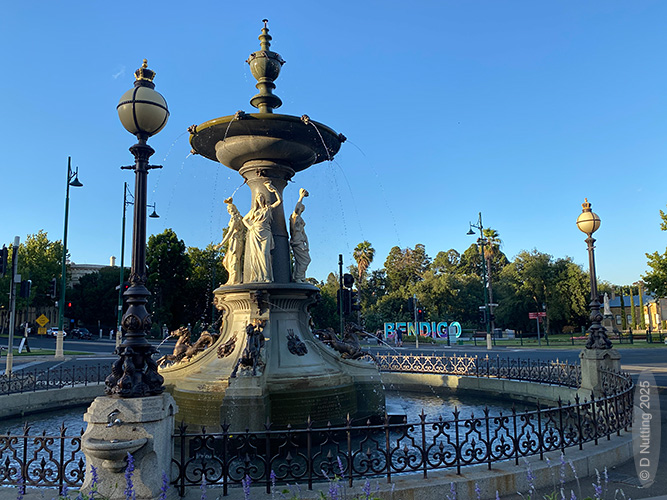
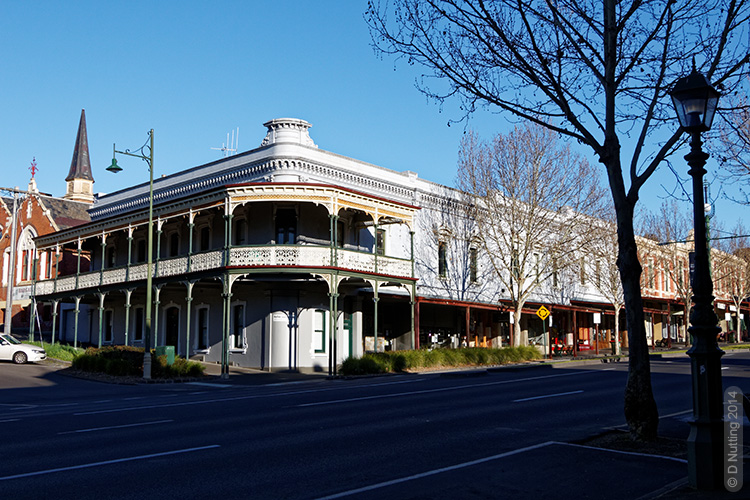
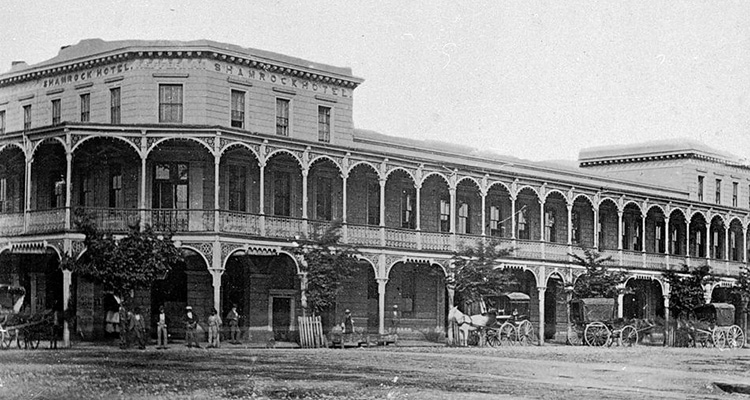
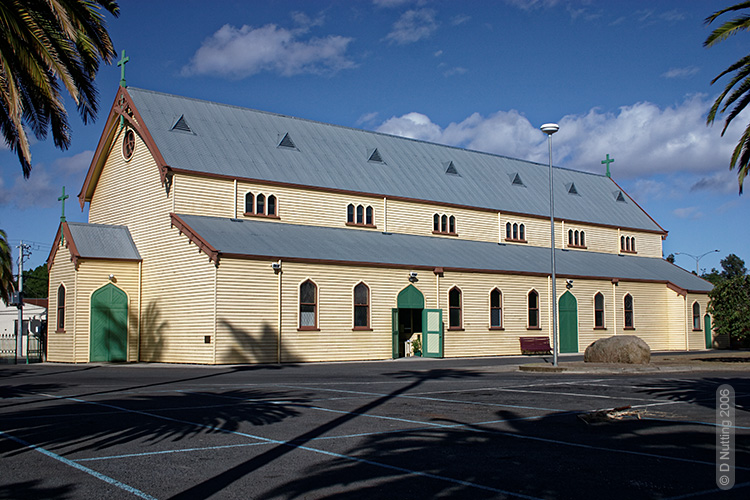
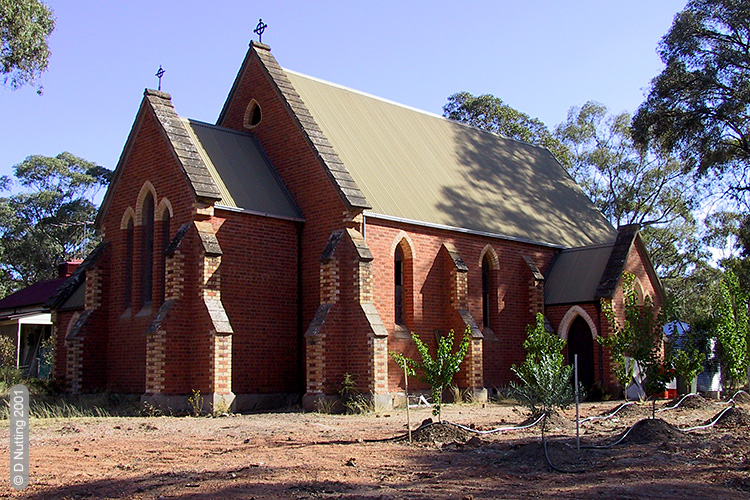
The list of significant public buildings in Bendigo designed by Vahland (and up to 1875 with Getzschmann) shows how much he contributed to the long-term appearance of the growing and wealthy city: the Town Hall (Vahland modified and extended the existing Town Hall), the Shamrock Hotel (1860 – the second Shamrock Hotel on that block; the current Shamrock Hotel is the third), the Hospital, the School of Mines, the Mechanics Institute, the Princess Theatre, the Masonic Hall (now the Capital Theatre), the Cascades (a water feature in Rosalind Park) and the Alexandra Fountain. The style of Vahland’s richly decorated bank facades in Bendigo tended towards the French Renaissance style, e.g. the Commercial, National and Colonial Banks.[2] You can read more here about Vahland's work on the impressive Town Hall (with photos). He designed large churches, such as the wooden church of St Kilians in central Bendigo (thought to be the largest wooden church in Australia), as well as small churches in outlying rural villages, such as St Saviour's Anglican Church at Tarnagulla. Vahland designed churches of all denominations, including a Jewish synagogue.
Vahland married a young woman named Jane Barrow in 1859, who had come to Australia with her English parents at the age of two. His household was typical Anglo-Australian, but he maintained regular contacts with other Germans in Bendigo, such as Dr Backhaus and Ludwig Becker (who later died on the Burke & Wills expedition).[3] In 1863 Vahland was president of Bendigo’s German Club (Deutscher Verein – the club had a very large collection of books in its library).
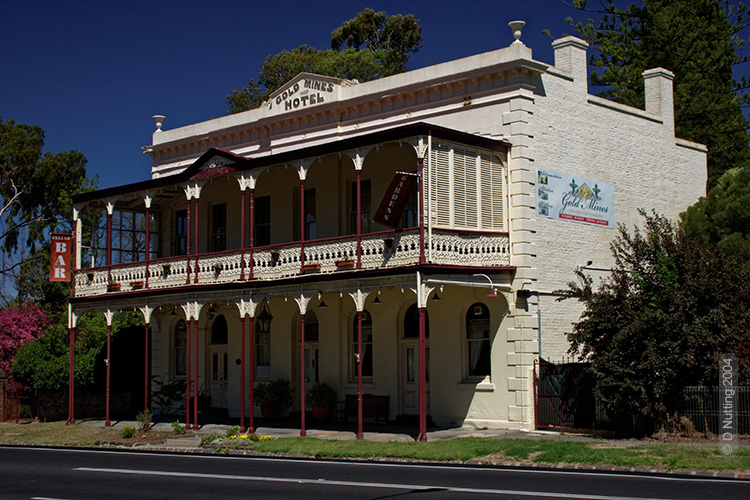
Gold Mines Hotel (1872), Marong Road - designed by Vahland and Getzschmann. In a heritage tour brochure entitled "Celebrate Vahland" the City of Greater Bendigo described the hotel as the most elegant hotel designed by Vahland. The façade has glass panelling and a very ornate veranda with cast iron lace panels.
Vahland was a prominent figure in public life in Bendigo. He was a Justice of the Peace for many years and was manager of Sandhurst Fire Brigade in 1859. For many years he played a leading role in the city’s Building Society (which many years down the track developed into today’s Bendigo Bank). Vahland served as mayor of Bendigo at one point, was a member of the committees of the Bendigo Hospital and the School of Mines, and was a member of the Victorian Institute of Architects.[4]
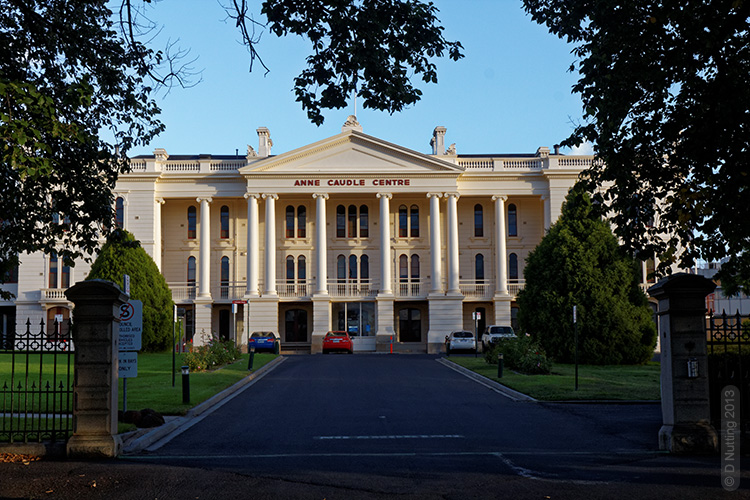
The Anne Caudle Centre, originally known as the Bendigo Benevolent Asylum, was established in 1857 as a home for the aged and destitute. It later became part of Bendigo Hospital. Much of the complex was designed by Vahland and Getzschmann during the 1860s.
According to Vahland family members, he was a typical husband and father of the Victorian era. He was fond of animals and enjoyed music and reading, and a good pipe or cigar.[5]
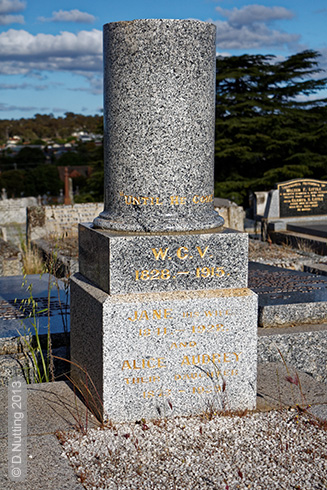
Vahland passed away at home in 1915 at the age of 86, on his 56th wedding anniversary. On the day after his death the newspaper Bendigonian wrote the following:[6]
It can be literally said of the late Mr. William Charles Vahland that he ''left his mark'' in Bendigo. Possibly in no other city in Australia did one man design so many of the more prominent public and private buildings, as did the late Mr. Vahland in Bendigo.
Bendigonian, 22 July 1915
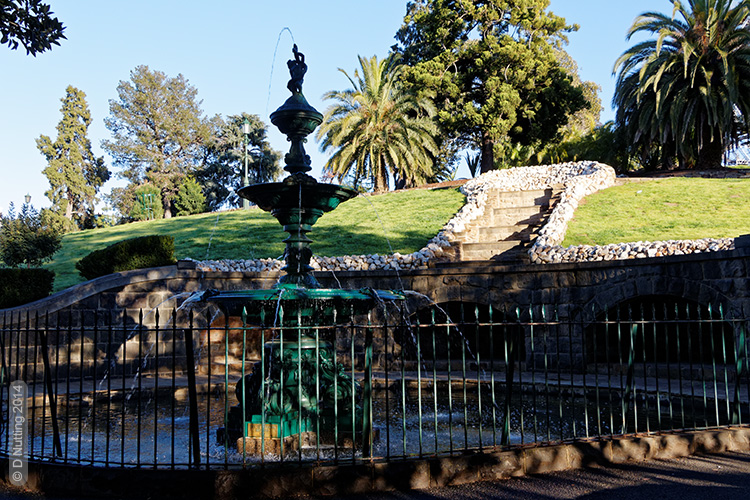
The Cascades is a water feature designed by Vahland and built in 1880 in Rosalind Park. The cast iron fountain came from England. In the 1990s the City of Bendigo restored the cascades.
Bendigo's majestic Capital Theatre was designed by Vahland and Getzschmann for Bendigo's Golden and Corinthian Masonic Lodge (= the fraternity of Bendigo's Freemasons). Both Vahland and Getzschmann were members of the Freemasons, and this grand structure was built when the Freemasons organisation in Bendigo was strong and there was plenty of money amongst the members to fund such an impressive building. By the end of the 20th century membership was lower, and the Masons built a new Masonic Centre in McIvor Road and sold the View Street building, which is now the Capital Theatre.[7]
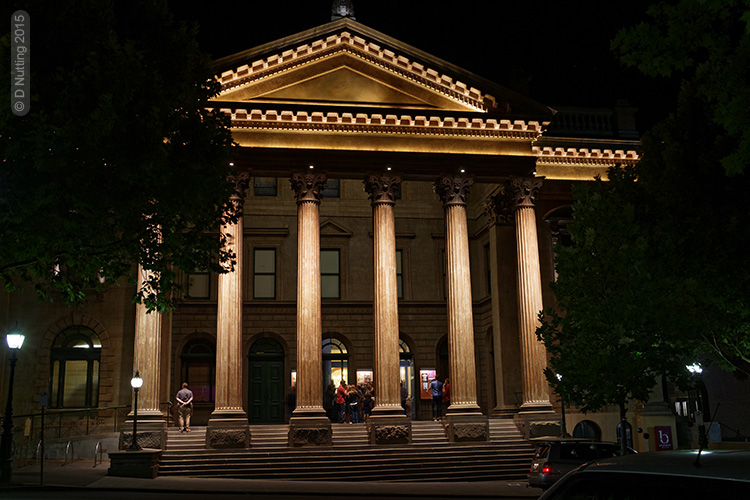
The Capital Theatre, designed by Vahland and Getzschmann.
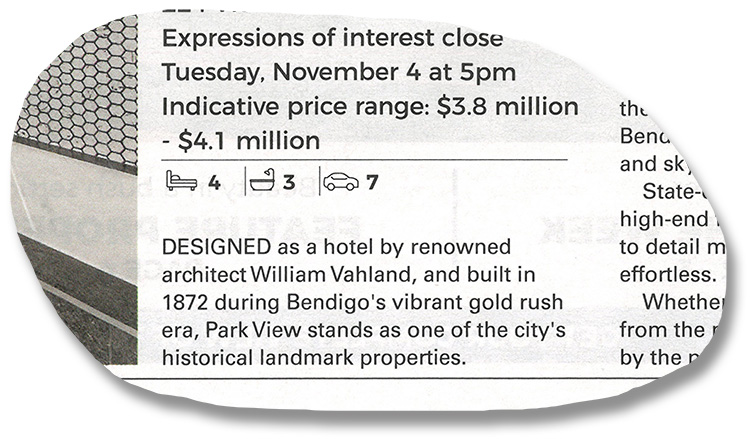
Present-day real estate advertisements for buildings that were designed by Vahland usually highlight the architect's name in the description of the building, as is the case in this advertisement from the Bendigo Advertiser (October 18, 2025).
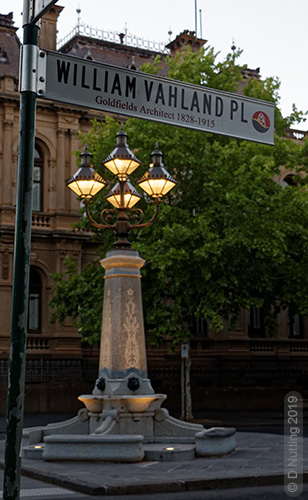
The drinking fountain at William Vahland Place in the centre of Bendigo.
In 1881 an elegant drinking fountain designed by Wilhelm Vahland was installed in Pall Mall in Bendigo, in order to service horses, dogs and people. It was made of granite and featured four gas lights on top of a central column and was part of a ‘triangle’ of fountains in Bendigo, together with the Alexandra Fountain and the Cascades Fountain in Rosalind Park. All three of these water features were designed by Vahland. In 1906 the drinking fountain was dismantled and removed to make way for a monument and was put into storage.[8]
The city of Bendigo held a series of events during the year 2015 to commemorate the 100th anniversary of Vahland’s death and also restored the drinking fountain. It was refurbished and relocated to a short lane between the Law Courts and the Conservatory Gardens. This lane was renamed William Vahland Place.[9] Set into the base of the fountain the city of Bendigo also added some short inscriptions that celebrate the major contribution that German immigrants made to the development of Bendigo in a variety of fields, for example mining, business, civic and spiritual leadership, architecture.
Most of the several German architects that have left their mark on Bendigo spent some time in Vahland’s firm or were associated with it in some way.[10]
W. H. E. Nicolai
Wilhelm Heinrich Eduard Nicolai was born in the historic and picturesque central German university town of Marburg on 17/11/1830. He was a construction apprentice in 1850 and may have had some construction training in the city of Kassel. He left Germany and worked as a draftsman and construction site manager in Vahland’s firm in Bendigo for several years. He also taught Architectural Drawing at the School of Mines for many years. His son Robert Franz Nicolai trained at the School of Mines and became an architect as well, working in the office of Wilhelm Vahland for a while.[11] He designed a house in Short Street (which still stands today) for his mother and named the house ‘Marburg’, honouring his father’s hometown in Germany.[12]
A. E. E. Mauermann
Emil Mauermann, from Hainewalde in the south-east of Saxony, worked in Bendigo from 1886 to 1894, initially working for Vahland before establishing his own architecture office in 1887. Later he and his German wife moved to Western Australia, where he worked for many years.[13] It is thought likely that he had a significant influence on Vahland’s design for the Colonial Bank.[14]
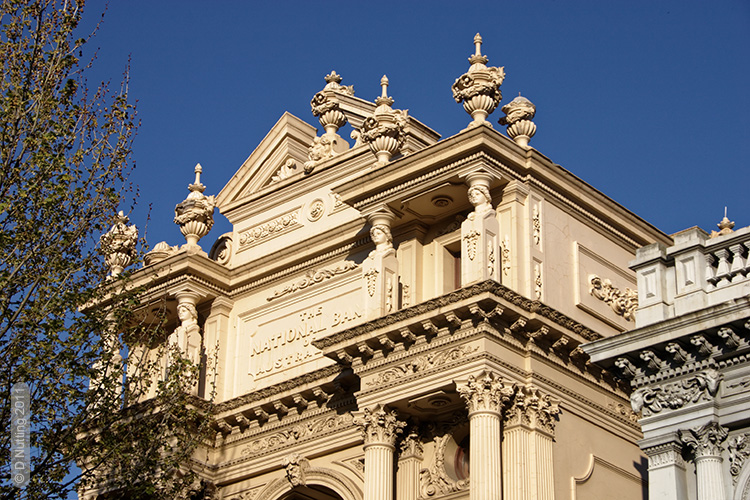
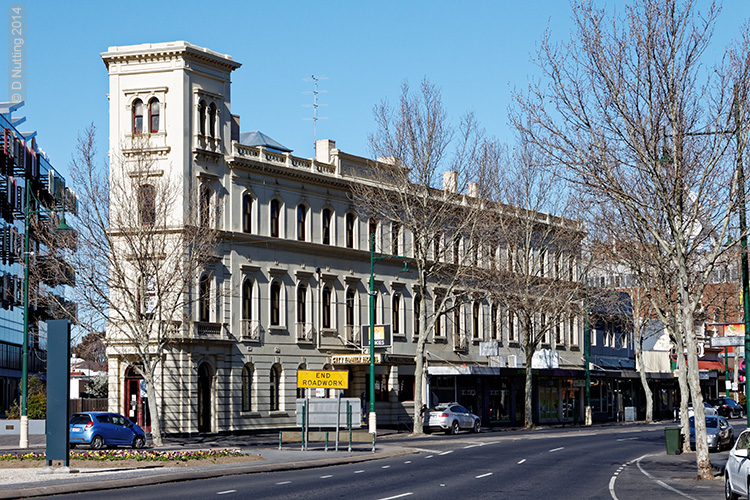
A close-up view of the upper part of the three-storey former Colonial Bank in Bendigo, built in 1887 to a design by Vahland.
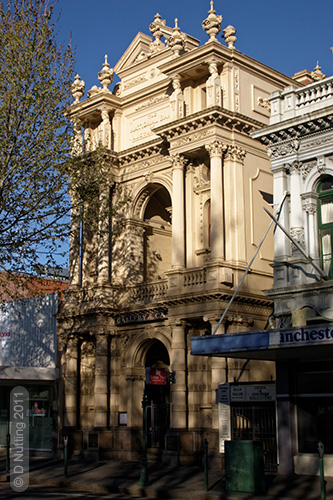
Full view of the three-storey former Colonial Bank, built in 1887 to a design by Vahland.
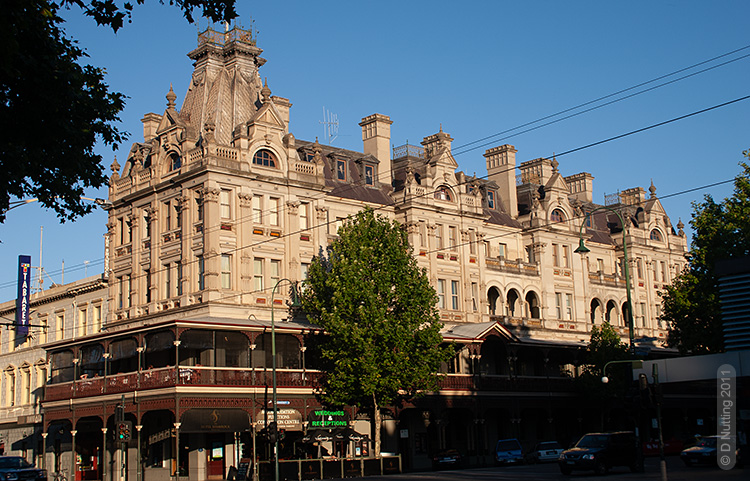
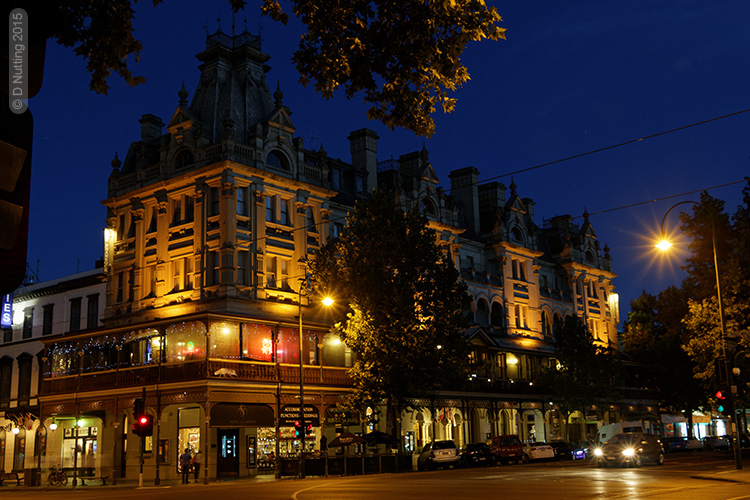
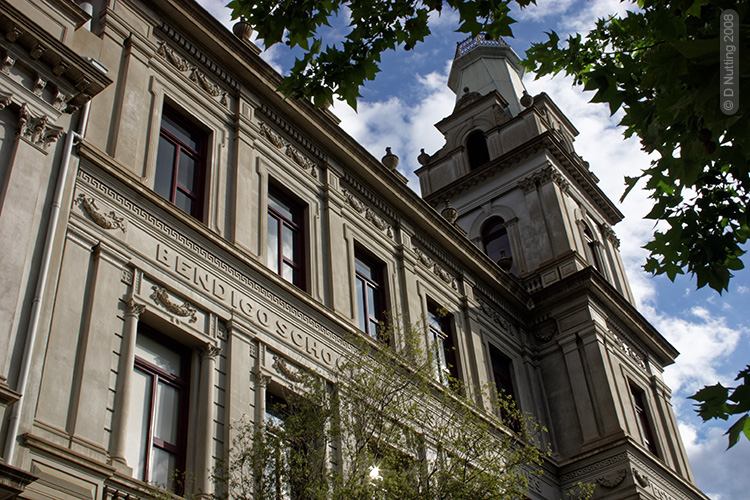
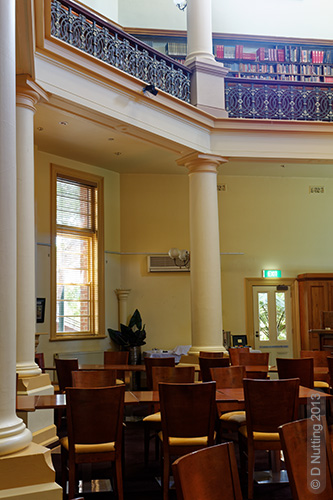
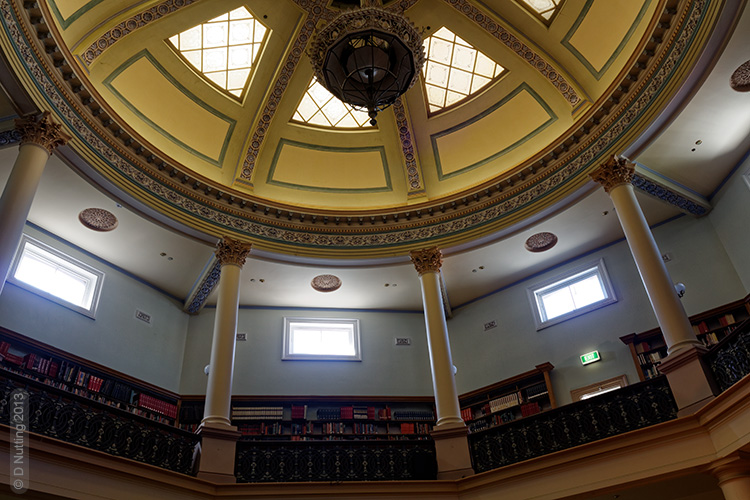
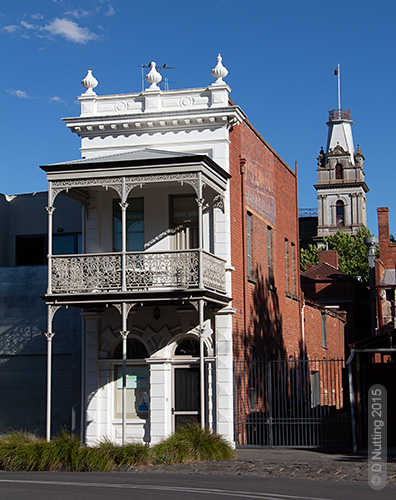
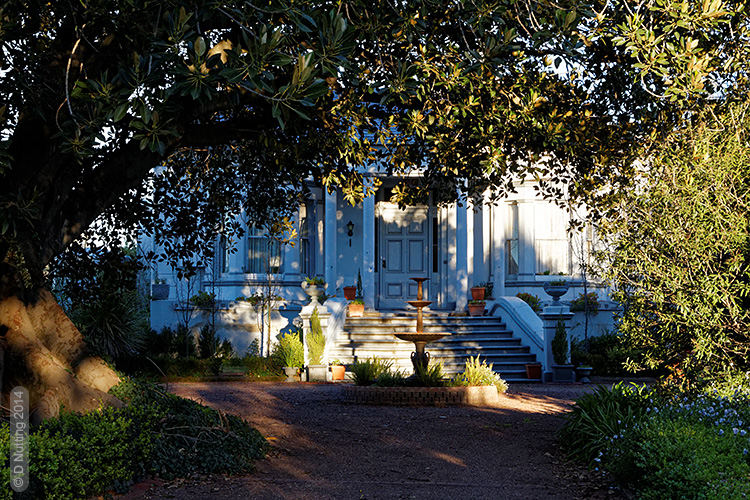
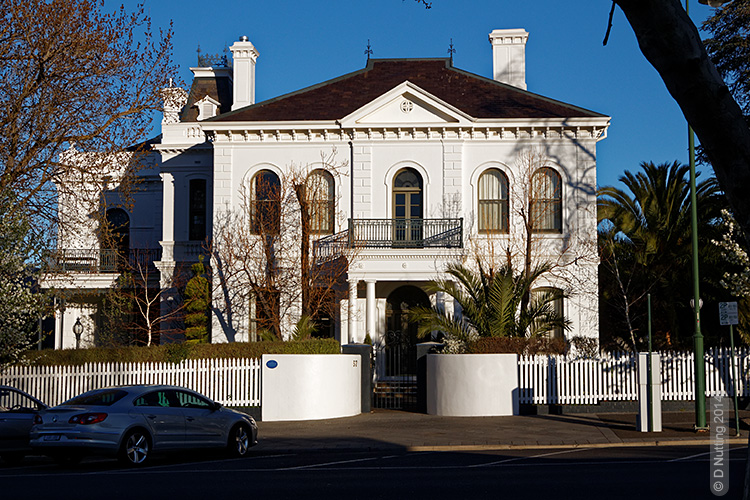
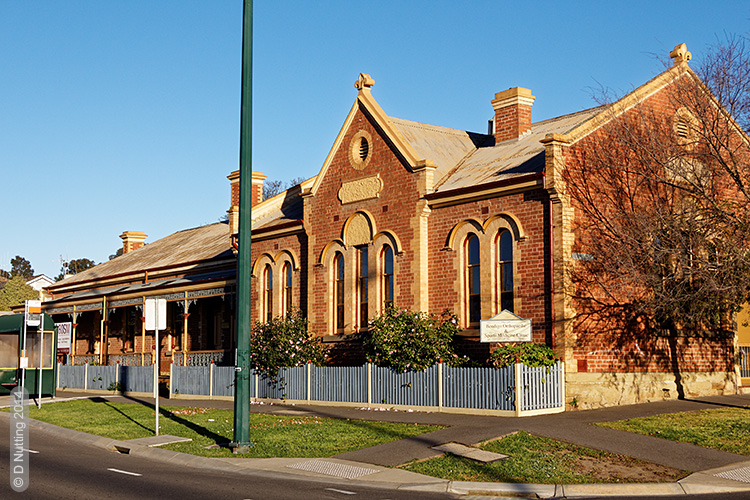
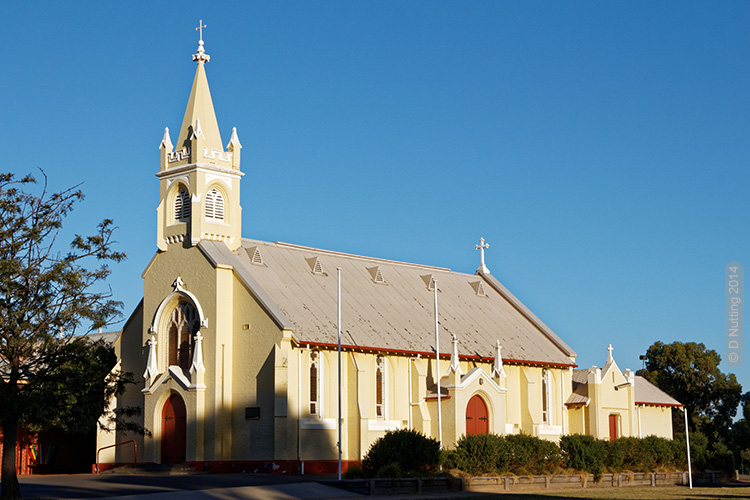
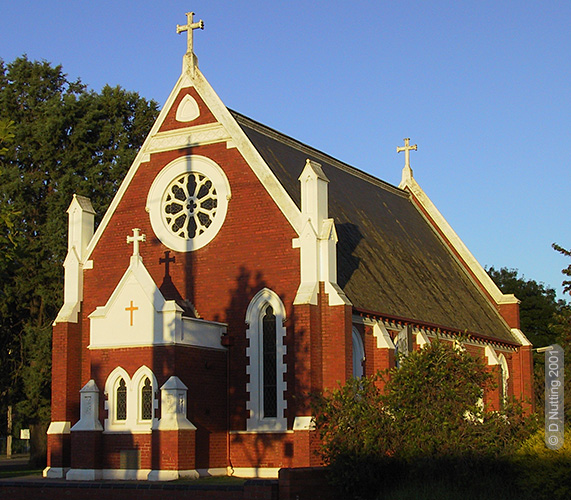
A photo gallery of designs by Vahland (and Getzschmann)
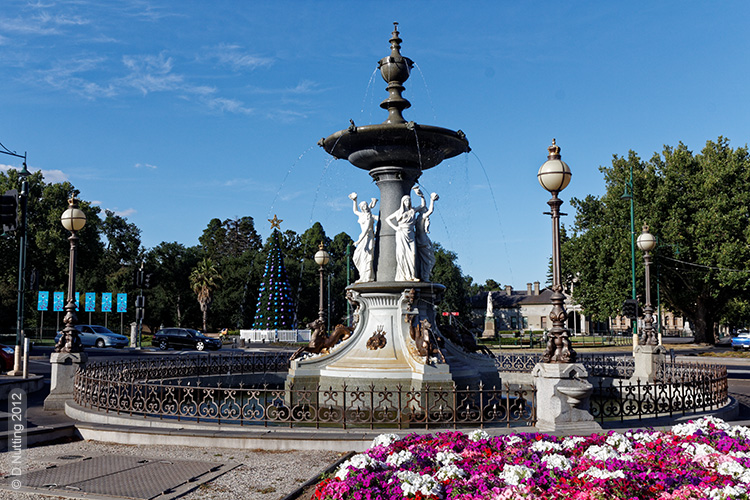
(Source: Carter, Beverley. (2008, December 26). Fountain points the way. The Bendigo Advertiser. p.16)
(Source: McKinnon, Leigh & Jack, Anita. (2015). A biographical dictionary of historical figures in Bendigo’s Chinese community. Bendigo: Golden Dragon Museum. pp.47-49).
♦ Notes:
1. Butcher (1998), p.93
2. Ballinger (2015), p.2
3. Beagley (2001), p.4
4. Ballinger (2015), p.4
5. Beagley (2001), p.7
6. DEATH OF MR. W. C. VAHLAND. (1915, July 22). Bendigonian (Bendigo, Vic. : 1914 - 1918), p. 10. Retrieved April 28, 2025, from <http://nla.gov.au/nla.news-article90782618>
7. Butcher et al (2014), p.42
8. & 9. Community invited to launch Vahland drinking fountain restoration appeal. Media release by the City of Greater Bendigo, July 2015. (No longer online)
10. Butcher (1998), p.93
11. DEATH OF MR. W. H. E. NICOLAI. (1893, March 29). The Bendigo Independent (Vic. : 1891 - 1918), p. 2. Retrieved June 5, 2025, from <http://nla.gov.au/nla.news-article174254361>
12. Butcher (1998), p.96 / Butcher, Mike. Personal communication (email, 01/05/2025). Architectural historian.
13. Taylor (2015)
14. Butcher et al (2014), p.61
♦ References:
Ballinger, Robyn. (2015). A short biography of William Vahland. Prepared for the City of Greater Bendigo. Longlea (VIC) : History in the Making. PDF online here.
Beagley, David. (2001). William Charles Vahland: architect, citizen, freemason. Linford Lodge of Research. PDF online here.
Butcher, Mike (1998). The Architects. In: Cusack, Frank (editor). Bendigo - the German Chapter. Bendigo: The German Heritage Society. pp.93-100. Thank you to the Society for further information.
Butcher, M., Collins, Y.M.J. & Gibbs, R. (2014). Bendigo through time: An architectural miscellany. Bendigo (VIC): Holland House Publishing.
Lawler, G. (1979). ‘The Vahland School’, Honours thesis, Department of Architecture, University of Melbourne.
Taylor, Dr John J. (2015). ‘August Edward Emil Mauermann (1851-1937)', Western Australian Architect Biographies, <http://www.architecture.com.au/>. Accessed 10/05/2025.